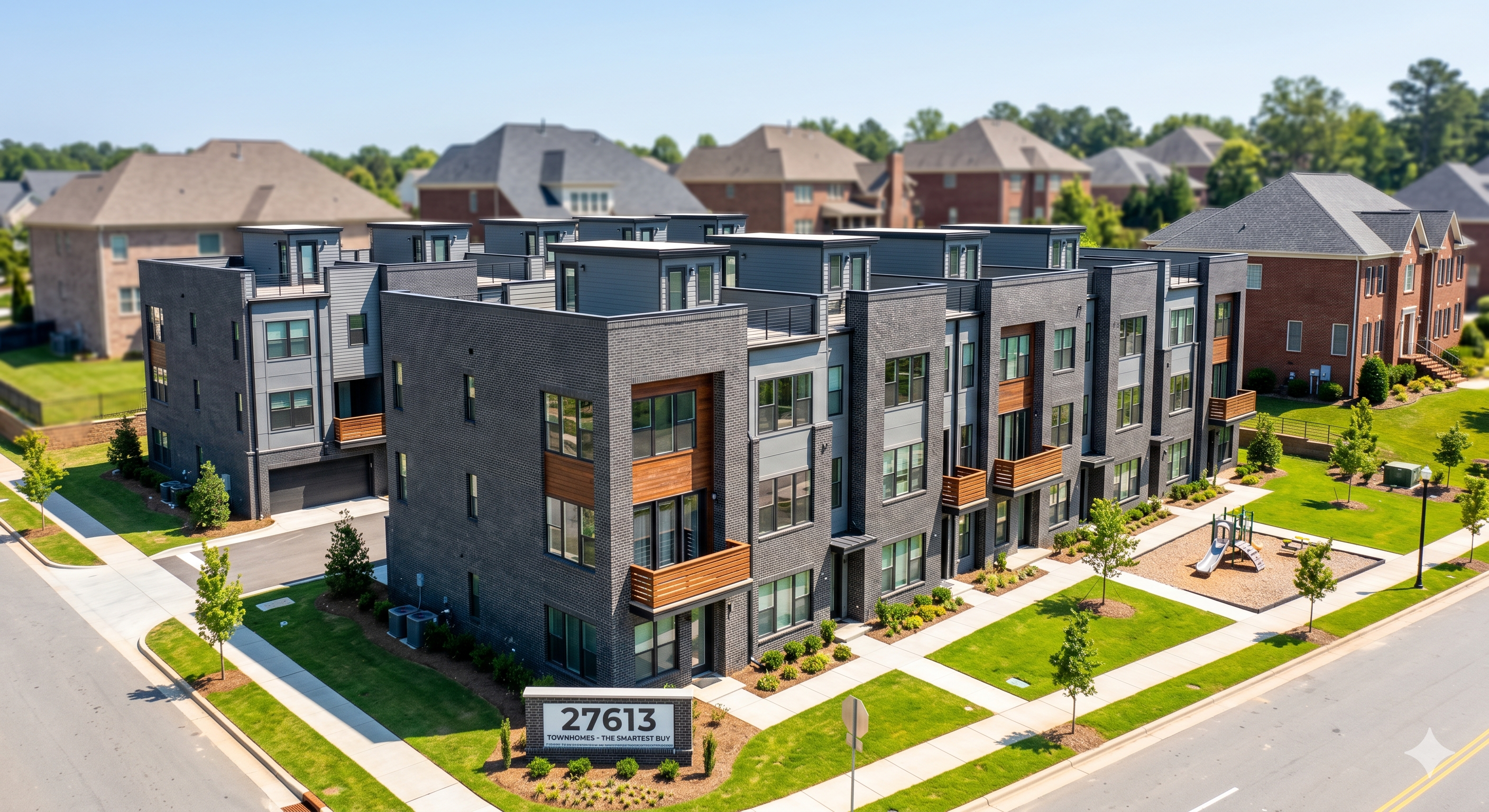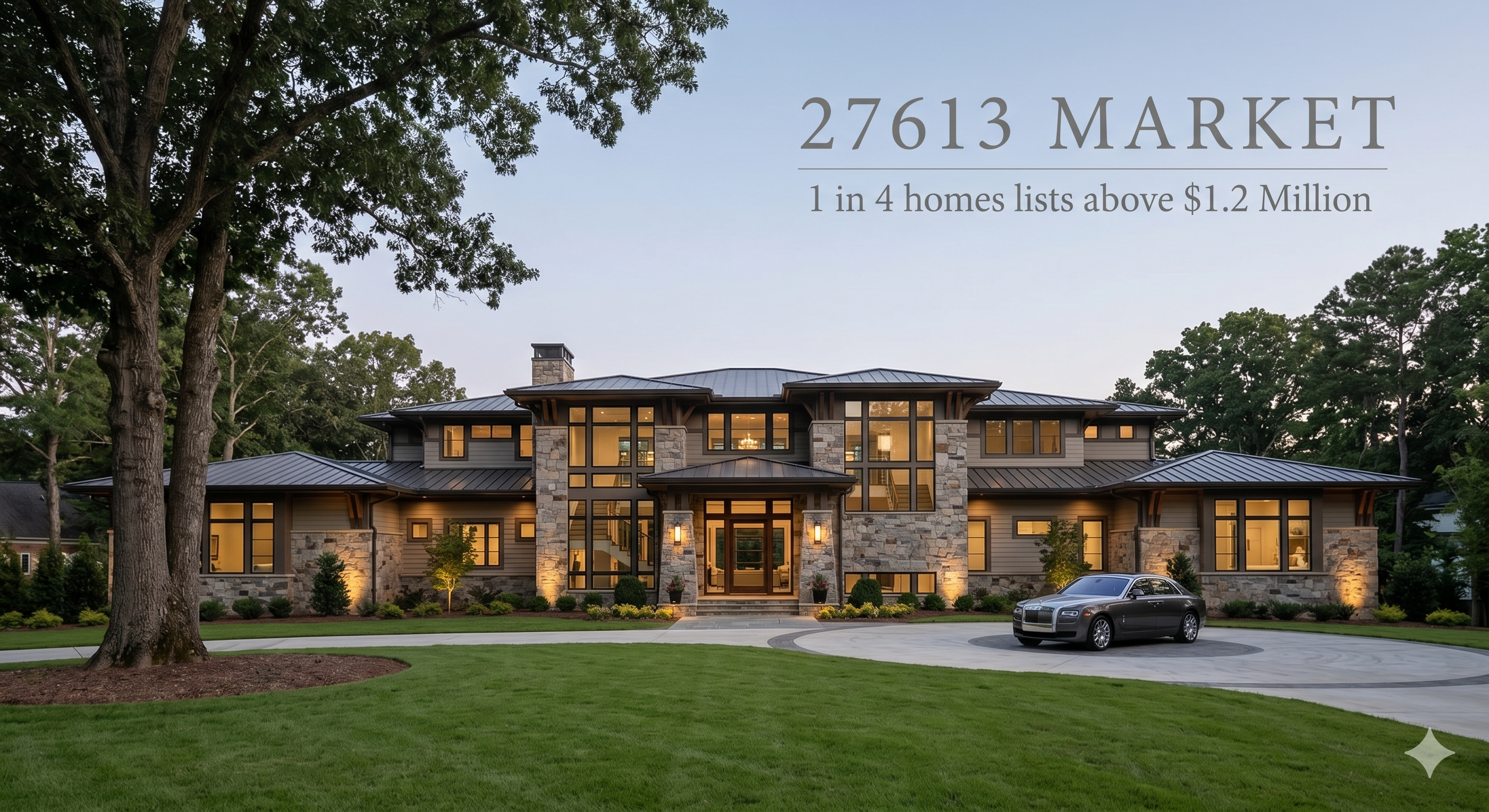
This talks about some of the payback that can happen if you purchase now versus rent
The Hidden Value Equation
Beyond the monthly payment comparison, homeownership delivers value in ways that don't show up on a standard rent-vs-buy calculator. The financial case for buying goes deeper than equity accumulation — it touches on lifestyle stability, personal freedom, and long-term wealth architecture that renting simply cannot replicate. Let's unpack exactly what that means in practical terms.
Sweat Equity: Your Home as a Living Investment
As a homeowner, you have the freedom to modify and improve your property in ways that directly translate into increased resale value. Renters write checks every month for a space they're not permitted to meaningfully change — no fresh paint colors without permission, no kitchen upgrades, no bathroom remodels. Every improvement a renter makes ultimately benefits their landlord, not themselves.
Homeowners operate under an entirely different set of rules. Consider what targeted renovations can return in the Triangle market:
Kitchen remodel (minor): A mid-range kitchen refresh — new cabinet fronts, updated countertops, modern fixtures — typically costs between $15,000 and $25,000 and can return 70–80% of that investment at resale, while dramatically improving your daily quality of life in the meantime.
Bathroom update: A modernized primary bath can add $10,000–$20,000 to your home's perceived value in competitive Triangle neighborhoods, often for a fraction of that cost if you're strategic about materials and labor.
Deck or outdoor living space: In the Raleigh-Durham area, where mild weather makes outdoor living a year-round possibility, adding a deck or screened porch can return upward of 65–75% of the project cost — and makes your home significantly more attractive to future buyers.
Energy efficiency upgrades: Replacing older HVAC systems, adding attic insulation, or installing a tankless water heater reduces your monthly utility bills immediately and adds to your home's appraised value over time.
The key insight here is that every dollar of sweat equity you build is a dollar that belongs entirely to you — and in an appreciating market, those improvements are compounded by rising home values around you.
Cost Stability: The Power of a Fixed Payment in an Inflationary World
One of the most underappreciated advantages of homeownership is the predictability of a fixed-rate mortgage. When you lock in a 30-year fixed rate, your principal and interest payment remains exactly the same from month one to month 360 — regardless of inflation, rising construction costs, or rental market volatility.
Contrast that with the renting experience. In the Triangle market over the past five years, average rents on single-family homes have increased by 20–35% in many submarkets. A renter who was paying $1,800 per month in 2019 may now be paying $2,400 or more for the same property — an increase of $600 per month, or $7,200 per year. Over five years, that compounding rent inflation has cost them tens of thousands of dollars more than they originally planned for, with zero ownership to show for it.
The homeowner who locked in their payment in 2019? Their principal and interest hasn't moved an inch. Their housing cost is effectively deflating in real terms as inflation erodes the purchasing power of every dollar they owe.
The Five-to-Seven Year Breakeven: What the Math Actually Shows
It's true that homeownership involves upfront costs that renting doesn't — closing costs, a down payment, and initial maintenance reserves. That's why the rent-vs-buy conversation always comes back to time horizon. The longer you stay, the stronger the case for buying becomes.
Here's a simplified illustration using realistic Triangle market assumptions:
Purchase price: $350,000 with 10% down ($35,000)
Closing costs: Approximately $7,000–$9,000 (roughly 2–3% of purchase price)
Monthly mortgage payment (P&I at 6.8%): $2,055
Annual appreciation at 5%: By year five, that $350,000 home is worth approximately $447,000 — a gain of nearly $97,000 in market value alone.
Principal paydown over five years: Approximately $14,000–$16,000 in additional equity built through loan repayment.
Add those figures together and a homeowner who bought at $350,000 could realistically walk away from a five-year ownership period with well over $100,000 in equity — after accounting for selling costs. A renter who paid $2,200 per month over that same period spent approximately $132,000 and walks away with nothing.
That's not a small difference. That's a life-changing financial gap.
Actionable Steps: How to Position Yourself to Buy
If the math is compelling but the path forward feels unclear, here's how to move from renter to owner with intention:
Get pre-approved, not just pre-qualified. A full pre-approval with a local lender tells you exactly what you can borrow, strengthens your offer in a competitive market, and reveals any credit issues early enough to address them.
Audit your down payment options. Many buyers assume they need 20% down — that's a myth. Conventional loans allow as little as 3–5% down, and NC Home Advantage Mortgage programs offer down payment assistance for eligible buyers. A local mortgage professional can map out your specific options.
Calculate your true rent-vs-buy comparison. Use a detailed calculator that accounts for closing costs, opportunity cost on your down payment, maintenance reserves, and projected appreciation. Generic online tools often oversimplify — ask your real estate agent to help you run the real numbers for your specific situation.
Think in horizons, not headlines. Don't let short-term interest rate noise distract from long-term fundamentals. If you plan to stay in a home for five or more years, the case for buying in the Triangle remains strong regardless of where rates sit today.
Identify your must-have neighborhoods early. In markets like Cary, Clayton, Wendell, and Zebulon, price points and inventory levels vary significantly. Getting clear on your geographic priorities early helps you move decisively when the right home comes to market.
The Bottom Line
Renting offers short-term flexibility — and for some people in specific life stages, that flexibility has genuine value. But for those with a stable income, a multi-year horizon, and the desire to build real wealth, purchasing a home remains one of the most powerful financial decisions available to everyday Americans. In the Triangle market specifically, where population growth, job diversification, and limited housing supply continue to support home values, the window to buy is always better approached sooner than later.
Every month you rent is a month someone else builds equity with your money. The question isn't whether you can afford to buy — it's whether you can afford to keep waiting.