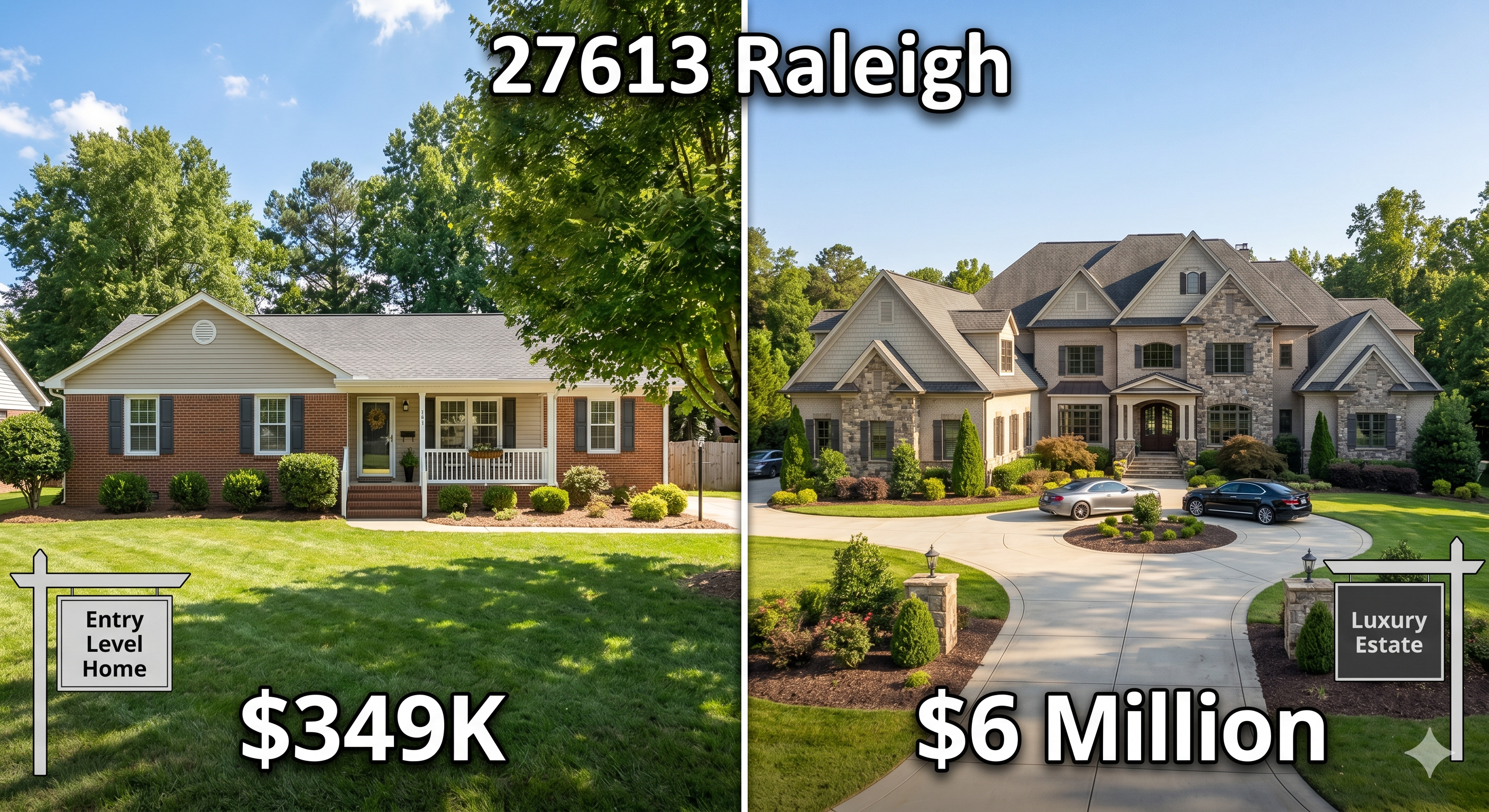
The inspection clause is back in 2026 — here's why buyers finally have negotiating power again and how to use it strategically.
The Market Has Shifted — And Buyers Are Feeling It
If you tried to buy a home in 2021 or 2022, you remember the gut punch of waiving your inspection contingency just to stay competitive. Offers were flying in over asking price, sellers held every card, and buyers were signing away their most fundamental protections just to get a foot in the door. Fast forward to 2026, and the landscape looks meaningfully different. The inspection clause is back — and with it, a new era of buyer leverage that savvy home shoppers need to understand and use.
This isn't just a feel-good shift. It's a structural change in how real estate negotiations are playing out across markets nationwide. Understanding why it's happening — and how to make the most of it — could save you tens of thousands of dollars on your next purchase.

What Changed? The Supply Story Behind the Shift
The return of buyer negotiating power didn't happen overnight. A confluence of factors has slowly but meaningfully rebalanced the equation heading into 2026.
First, housing inventory has climbed. After years of historically tight supply — driven by rate-locked sellers who wouldn't give up their 3% mortgages — more homeowners have finally re-entered the market. Life events don't wait for perfect timing: job relocations, growing families, divorces, and retirements are all pushing listings that had been sitting on the sidelines back onto the MLS.
Second, elevated mortgage rates have cooled buyer demand enough to take the froth off the market without triggering a crash. Homes are sitting longer. Days on market are stretching from 5 to 25, 30, even 45 days in many metro areas. When a home doesn't sell in the first weekend, everything changes psychologically — for sellers, for agents, and for the negotiating table.
Third, the spring selling season of 2026 has brought a notable inventory surge in suburban and mid-tier markets, particularly in areas that saw the biggest pandemic-era price run-ups. Sellers who overpriced based on 2022 comps are now doing price reductions — and buyers are noticing.
Why the Inspection Clause Matters More Than You Think
The home inspection contingency is arguably the most powerful protective tool available to a buyer. It gives you the right to have the property professionally inspected and, depending on how your contract is written, to negotiate repairs, request credits, or walk away entirely if the findings are significant.
During the competitive frenzy of recent years, buyers routinely waived this clause to make their offers more attractive. The consequences were sometimes devastating — buyers who moved into homes with failing HVAC systems, hidden water damage, outdated electrical panels, or structural issues they had no legal recourse to address.
Now that sellers need buyers more than they did in 2021, including an inspection contingency is not only acceptable — it's expected in most markets. Here's what that means in practice:
- You can walk away if the inspection reveals major defects, without losing your earnest money deposit.
- You can negotiate repairs directly with the seller, requesting that specific issues be fixed before closing.
- You can request a price reduction or credit in lieu of repairs, giving you cash to address the issues yourself after closing.
- You gain information — even if you proceed with the purchase as-is, you know exactly what you're buying and can plan accordingly.
How to Use Your Negotiating Power Strategically
Having negotiating power and using it effectively are two different things. Here's how 2026 buyers can leverage the current market conditions without overplaying their hand.
1. Include the Inspection Clause — Always
In today's market, there is almost no scenario where waiving your inspection contingency is the right move for a primary home purchase. Work with your agent to include a standard inspection contingency with a reasonable timeframe — typically 7 to 10 business days — and hire a qualified, licensed home inspector you trust.
2. Know the Difference Between Cosmetic and Material Defects
A cracked tile or peeling paint is cosmetic. A failing roof, compromised foundation, or outdated electrical panel is material. Effective negotiators focus their repair requests on material defects — the issues that affect safety, livability, and long-term value. Asking a seller to repaint a fence is likely to create friction; asking for a $12,000 roof credit is a legitimate and reasonable negotiation.
3. Get Repair Estimates Before You Ask
Before submitting a repair request or asking for a credit, get real estimates from licensed contractors. Sellers and their agents are far more likely to respond favorably to a request that comes with documentation — a written estimate from a roofing contractor carries far more weight than a ballpark guess. It also signals that you're a serious, informed buyer rather than someone looking to nickel-and-dime.
4. Consider a Credit Over Repairs
In many cases, asking for a closing cost credit or purchase price reduction is smarter than asking the seller to make repairs. When sellers manage repairs, they often choose the cheapest contractor and the minimum acceptable fix. When you hold the credit, you control the quality of the work after closing. Your agent can help you structure this ask correctly within your contract.
5. Don't Forget Specialized Inspections
A general home inspection is your baseline, but 2026 buyers should also consider specialized inspections depending on the property and region — radon testing, sewer scope inspections, mold assessments, and pest inspections can uncover issues a general inspector isn't equipped to evaluate in depth. These typically cost a few hundred dollars each and can reveal deal-altering information.
Reading the Room: Markets Where Buyer Power Is Strongest
Not all markets have shifted equally. Buyer negotiating power is most pronounced in areas where inventory has risen fastest and price reductions are most common. Suburban markets outside major metros, particularly those that saw aggressive price appreciation between 2020 and 2023, are showing the most seller flexibility right now.
Urban condo markets in some cities remain more competitive, particularly for well-priced units in walkable neighborhoods with limited new construction. Your agent's knowledge of hyper-local conditions is invaluable here — national trends set the backdrop, but the neighborhood you're buying in will determine how much leverage you actually have at the negotiating table.
The Bottom Line for 2026 Buyers
The return of the inspection clause is more than a contractual detail — it's a signal. It tells you that the market has rebalanced enough that your interests as a buyer deserve protection, and that sellers know they need to negotiate in good faith to close deals. After years of a seller-dominated market, that shift is significant.
Use it wisely. Hire a qualified inspector. Focus your negotiation on what matters. And work with an experienced buyer's agent who understands how to leverage current conditions without creating unnecessary friction. The 2026 market rewards informed, prepared buyers — and the inspection clause is your first and best tool for making sure you know exactly what you're getting into before you sign on the dotted line.